- Home
-
![]()

![]()
![Hipech Commercial LiFePO4 Energy Storage System Outdoor BESS Cabinet Liquid Cooling 100kWh 2000kWh for EV Charging Station]()
![Hipech Commercial LiFePO4 Energy Storage System Outdoor BESS Cabinet Liquid Cooling 100kWh 2000kWh for EV Charging Station]()
![Hipech Commercial LiFePO4 Energy Storage System Outdoor BESS Cabinet Liquid Cooling 100kWh 2000kWh for EV Charging Station]()
![Hipech Commercial LiFePO4 Energy Storage System Outdoor BESS Cabinet Liquid Cooling 100kWh 2000kWh for EV Charging Station]()

![Hipech Commercial LiFePO4 Energy Storage System Outdoor BESS Cabinet Liquid Cooling 100kWh 2000kWh for EV Charging Station]()
![Hipech Commercial LiFePO4 Energy Storage System Outdoor BESS Cabinet Liquid Cooling 100kWh 2000kWh for EV Charging Station]()
![Hipech Commercial LiFePO4 Energy Storage System Outdoor BESS Cabinet Liquid Cooling 100kWh 2000kWh for EV Charging Station]()
![Hipech Commercial LiFePO4 Energy Storage System Outdoor BESS Cabinet Liquid Cooling 100kWh 2000kWh for EV Charging Station]()
![Hipech Commercial LiFePO4 Energy Storage System Outdoor BESS Cabinet Liquid Cooling 100kWh 2000kWh for EV Charging Station]()
![Hipech Commercial LiFePO4 Energy Storage System Outdoor BESS Cabinet Liquid Cooling 100kWh 2000kWh for EV Charging Station]()
![Hipech Commercial LiFePO4 Energy Storage System Outdoor BESS Cabinet Liquid Cooling 100kWh 2000kWh for EV Charging Station]()
![Hipech Commercial LiFePO4 Energy Storage System Outdoor BESS Cabinet Liquid Cooling 100kWh 2000kWh for EV Charging Station]()
![Hipech Commercial LiFePO4 Energy Storage System Outdoor BESS Cabinet Liquid Cooling 100kWh 2000kWh for EV Charging Station]()
![Hipech Commercial LiFePO4 Energy Storage System Outdoor BESS Cabinet Liquid Cooling 100kWh 2000kWh for EV Charging Station]()
![Hipech Commercial LiFePO4 Energy Storage System Outdoor BESS Cabinet Liquid Cooling 100kWh 2000kWh for EV Charging Station]()
Hipech Commercial LiFePO4 Energy Storage System Outdoor BESS Cabinet Liquid Cooling 100kWh 2000kWh for EV Charging Station
HMHipech energy storage containers are fully integrated battery energy storage system (BESS) solutions built inside standard 20ft and 40ft ISO shipping containers. Each containerized energy storage unit combines LFP lithium battery racks, a bi-directional PCS, a smart EMS controller, liquid cooling or HVAC temperature management, and multi-level fire suppression in one pre-assembled, factory-tested enclosure. Available from 215kWh to 5MWh per container, our battery energy storage containers support grid-scale peak shaving, solar and wind co-location, commercial and industrial backup power, and off-grid microgrid applications. The plug-and-play design cuts on-site installation time to days instead of months, while IP54 outdoor protection and a -30°C to +55°C operating range keep the system stable in harsh environments. Every BESS container is delivered with remote monitoring access, full test reports, and a [12]-month warranty. OEM branding, custom capacity, and mixed AC/DC coupling configurations are available on request.-
Hipech
Quantity: ![facebook sharing button]()
![twitter sharing button]()
![line sharing button]()
![wechat sharing button]()
![linkedin sharing button]()
![pinterest sharing button]()
![whatsapp sharing button]()
![sharethis sharing button]() Product Description
Product Overview
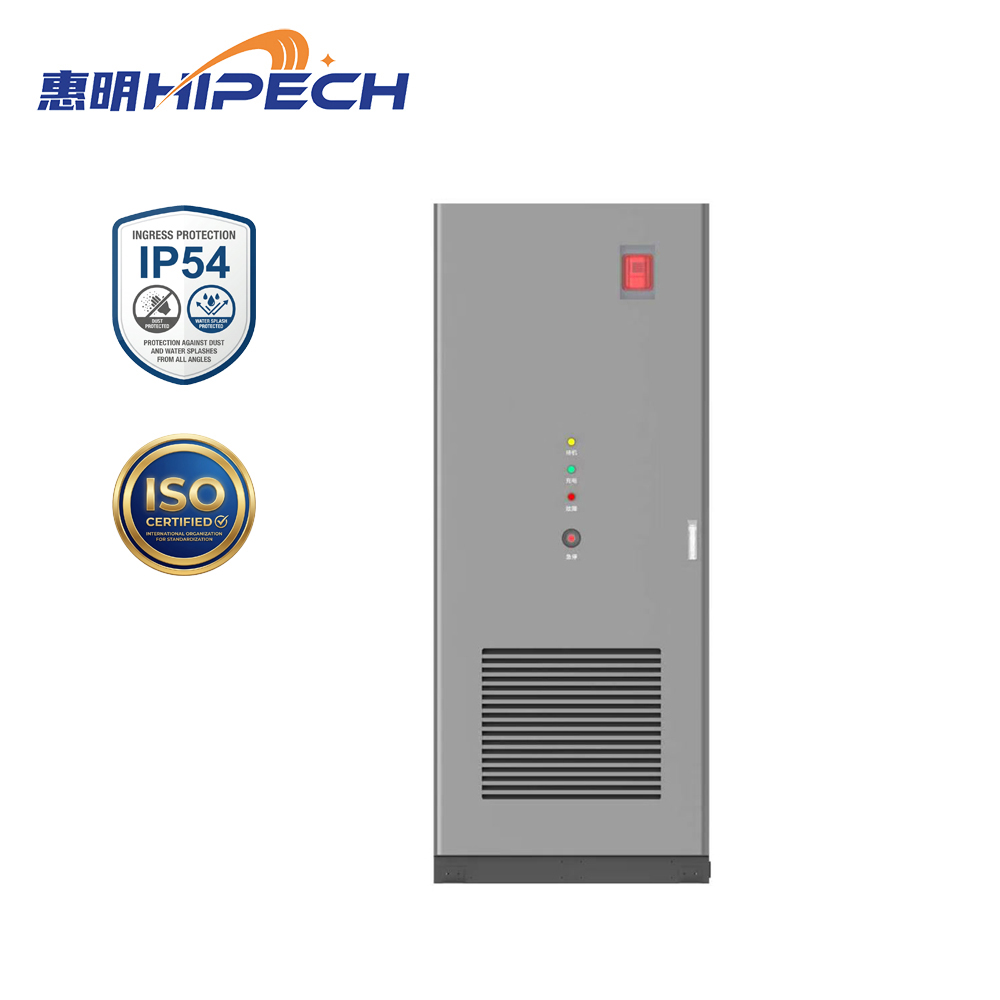
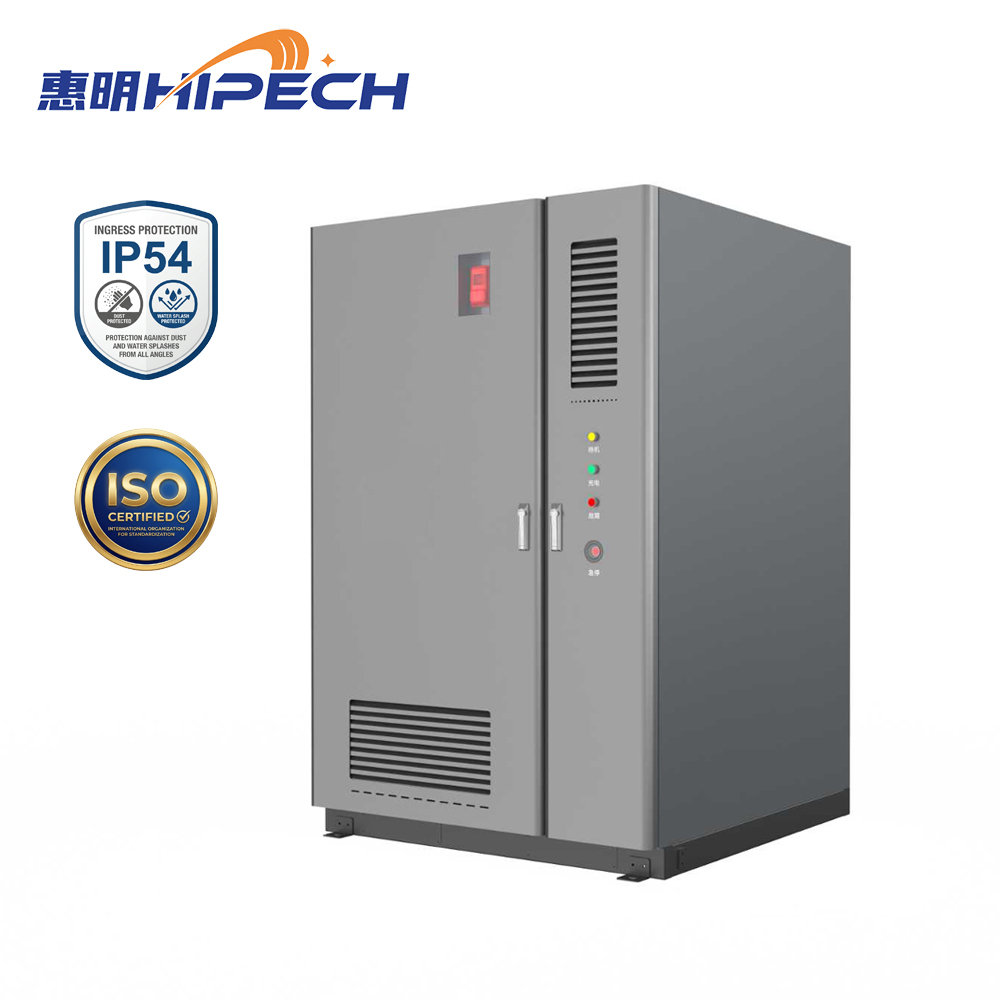
The HMHipech energy storage container is a fully integrated battery energy storage system (BESS) that combines LFP battery packs, a 125kW bi-directional PCS, an intelligent EMS, thermal management, and multi-level electrical protection in one pre-assembled, factory-tested unit. Available from 100kWh to 2000kWh, it is delivered ready for grid connection and serves factories, industrial parks, EV charging stations, data centers, and commercial buildings. The containerized energy storage design delivers three core values: peak-valley arbitrage to cut electricity bills, demand control to avoid penalty charges, and emergency backup power for critical loads. Both air-cooled and liquid-cooled versions are available — air cooling for standard-temperature sites with the best cost-effectiveness, liquid cooling for high-temperature, high-power continuous cycling. Every energy storage container offers ≥95% system efficiency, ≥10,000 cycle life, IP54 protection, and a -20°C to +55°C operating range. Remote diagnostics, OEM branding, and custom capacity configurations are available on request.
![news_main_image_12940270188002715241.jpg]()
Parameter Overview
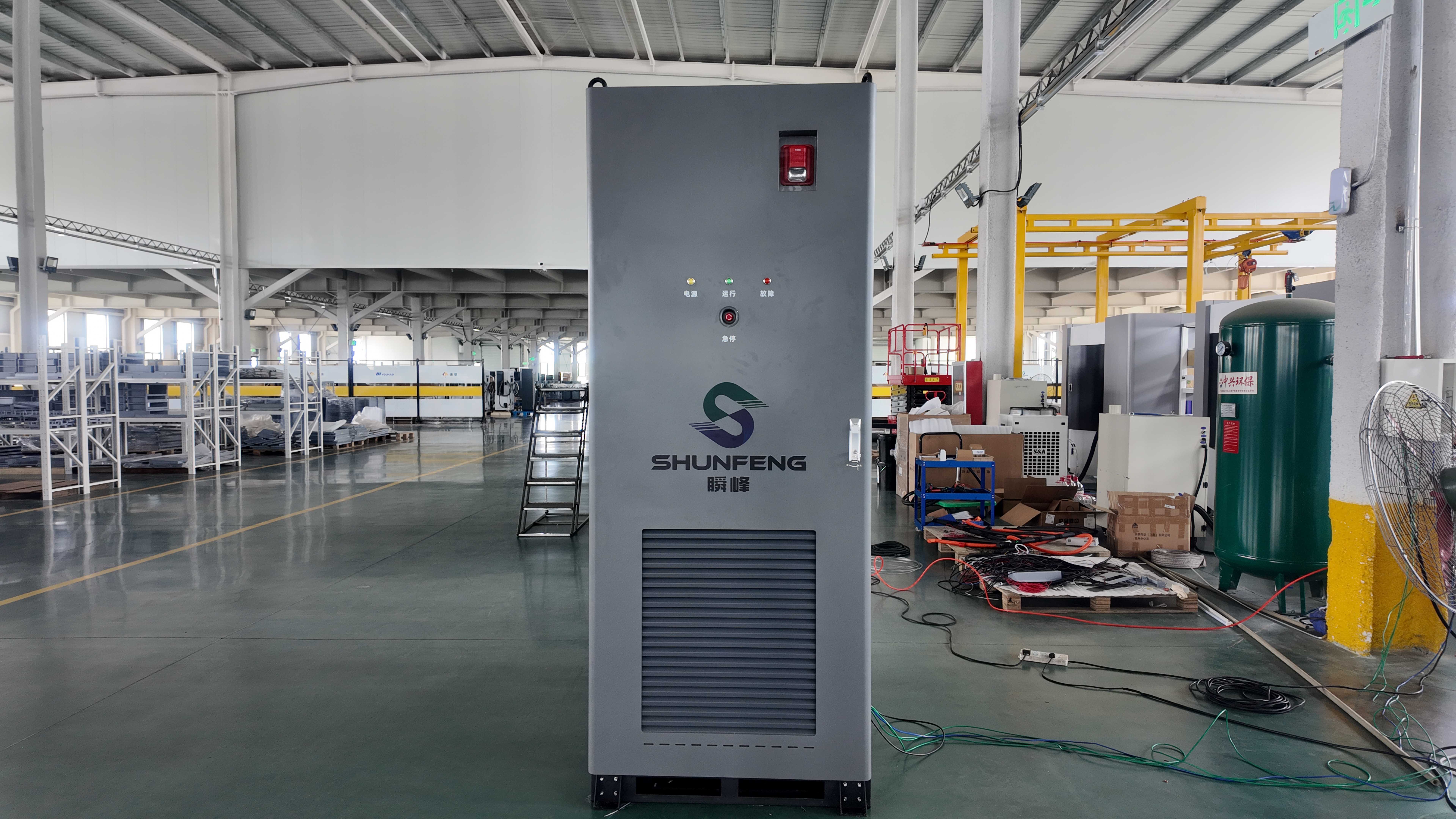
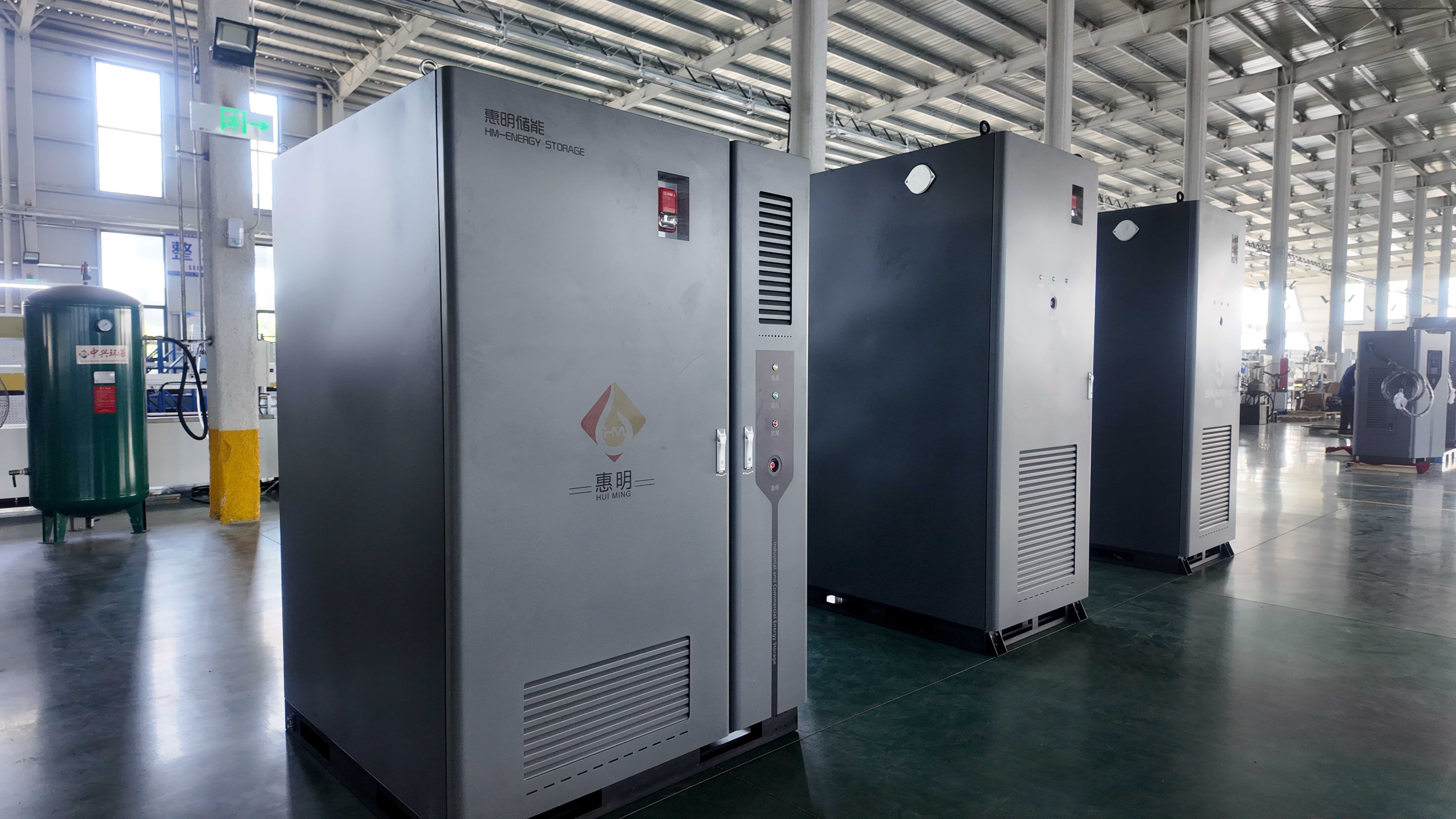
The HMHipech 125kW/261kWh energy storage container is a complete battery energy storage system (BESS) built as one integrated unit: LFP battery packs, a 125kW bi-directional PCS, an intelligent EMS, forced-air cooling, and multi-level electrical protection, all pre-assembled and factory-tested before shipment. Nothing needs to be designed on site — only a foundation, AC cable termination, and commissioning.
Available in five capacities from 100kWh to 2000kWh, this energy storage container is engineered for high-energy-consuming businesses and delivers three core values: peak-valley arbitrage to reduce electricity costs, demand control to avoid penalty charges and transformer upgrades, and emergency backup power to keep critical loads running during outages. For sites with rooftop or ground-mounted solar, the system also provides seamless photovoltaic support, storing excess generation for use after dark.
![261kWh energy storage container technical parameters - 125kW rated power]()
Technical Parameters
Air-Cooled and Liquid-Cooled Configurations
Two thermal designs are available to match site conditions. The air-cooled energy storage container uses forced air cooling, ideal for standard-temperature environments and the most cost-effective choice for typical commercial projects. The liquid-cooled version is engineered for high-temperature, high-power continuous cycling, delivering greater thermal stability and longer battery life in demanding climates. Both share the same EMS platform, so units from different project phases can be managed as one fleet.
Applications: One Energy Storage Container, Six Revenue Streams
Peak-valley arbitrage — charge at off-peak tariffs, discharge during peak hours; typical payback of [3–5] years depending on the local tariff spread
Demand control — cap maximum demand to avoid capacity charges and costly transformer upgrades
Emergency backup power — seamless transition for critical loads during grid outages
Photovoltaic support — store daytime solar surplus for evening use, raising self-consumption above [90%]
EV charging station buffering — support 125kW+ fast charging where grid capacity is limited
Data centers and precision manufacturing — power quality stabilization for sensitive equipment
![energy storage container 380VAC grid interface with Modbus and IEC104 protocols]()
The 125kW/261kWh model is our flagship configuration for mid-size commercial sites:
Item
Value
System rated capacity
261.248 kWh
System rated power
125 kW
Rated charge/discharge time
2h at rated power
Max system conversion efficiency
≥95%
Cooling method
Forced air cooling
Installation
Outdoor floor-standing / indoor
Design service life
≥15 years
Cell cycle life
≥10,000 cycles at 0.5C, 25°C, 80% SOH
![air-cooled and liquid-cooled energy storage container comparison]()
Grid Interface and Electrical Protection
Item
Value
Rated AC output power
125 kW
Rated grid voltage
380 VAC (±15%)
Core electrical protection
E-STOP, insulation monitoring, water intrusion protection, lightning protection, ground fault protection
Local communication interfaces
CAN, RS485, Ethernet
Supported protocols
Modbus-RTU, Modbus-TCP, IEC104, MQTT
The system monitors insulation, grid voltage, and current on every phase. Under any abnormal condition — over-voltage, under-voltage, over-current, or ground fault — it isolates itself within milliseconds and logs the event for remote diagnosis.
![100kWh to 2000kWh energy storage container model range - IP54]()
Model Range and Environmental Specifications
One platform, five capacities — standardize on one supplier across every project size:
Capacity
100kWh
261kWh
522kWh
1000kWh
2000kWh
Typical scale
Small shop / office
Factory / charging station
Industrial park
Large factory / microgrid
Utility-scale C&I
All models share ≥IP54 protection, -20°C to +55°C operating range, 5%–95% humidity tolerance, <2000m altitude limit, and third-party type test certification.
Installation, Delivery and After-SalesInstallation is genuinely simple: the energy storage container arrives fully assembled and factory-tested, requiring only a foundation, AC cable termination, and commissioning — typically [1–3] days with a local electrician under our remote guidance. Every order includes the foundation drawing, single-line diagram, and commissioning checklist.
Units ship by sea freight to major ports worldwide with export-standard packing. We support T/T and L/C payment terms, and every unit carries a [12]-month warranty with lifetime remote diagnostics and spare-part supply from our factory in Shandong, China.
Why Choose Us
In-house sheet metal, spraying, and assembly lines — quality controlled from enclosure to cell
One supplier for battery, PCS, EMS, and thermal systems — single-source warranty, no vendor finger-pointing
OEM branding and custom capacity configurations
Export experience across [Southeast Asia, the Middle East, South America, and Africa]
Send us your electricity bill or load profile — our engineers will return a savings estimate and sizing proposal within 2 working days.
FAQ
Q: What can a 261kWh energy storage container power? A: At 125kW rated power for 2 hours, it covers the evening peak load of a mid-size factory, buffers two 125kW DC fast chargers, or backs up lighting, HVAC and critical equipment in an industrial park during an outage.
Q: How does peak-valley arbitrage pay back the investment? A: The system charges at low tariffs and discharges at peak, and also caps maximum demand charges. Payback depends on your local tariff spread and cycling strategy — send us your electricity bill for a project-specific calculation.
Q: Air-cooled or liquid-cooled — which should I choose? A: Air-cooled suits standard-temperature sites with the best price-performance. Liquid-cooled is recommended for sustained high-power cycling, climates above 45°C, or space-constrained installations requiring higher energy density.
Q: Can it work with my existing solar system? A: Yes. The EMS supports photovoltaic coupling — surplus solar charges the unit instead of exporting at low feed-in tariffs, and stored energy covers your evening peak.
Q: What communication protocols are supported for third-party EMS platforms? A: Modbus-RTU, Modbus-TCP, IEC104 and MQTT over CAN, RS485 or Ethernet, enabling integration with most SCADA and energy management platforms.
Q: What maintenance is required? A: Minimal — periodic air filter cleaning and an annual inspection. The EMS provides remote diagnostics and cell-level monitoring alerts you before issues become failures.
Product Description![100kWh-2000kWh Commercial Battery Energy Storage System | Outdoor BESS Cabinet for Solar, EV Charging & Industrial Power]()