
Views: 0 Author: Site Editor Publish Time: 2025-12-16 Origin: Site
Proper maintenance of your fuel dispenser is crucial to ensuring it operates efficiently and reliably for the long term. A smart fuel dispenser not only minimizes downtime but also extends the lifespan of the equipment, reduces repair costs, and ensures compliance with safety regulations. Regular care and attention to maintenance tasks will result in better performance and contribute to a better overall customer experience at your fueling station. In this article, we will explore the importance of maintaining your fuel pump dispenser, the necessary checks and maintenance tasks, and how to keep it in optimal condition for years to come.
At Shandong Hipech International Trade Company Limited, we offer state-of-the-art fuel dispenser solutions that are designed to meet the highest standards of safety and efficiency. By following proper maintenance protocols, you can ensure your equipment performs at its best while enhancing the operational efficiency of your fueling station.
Regular maintenance is essential for the safe and efficient operation of your fuel pump machine. Safety should always be a priority, and proactive maintenance can help prevent hazardous situations such as fuel leaks and equipment malfunctions. Fuel dispensers are subject to wear and tear over time, and without proper upkeep, they can become unreliable, leading to both safety risks and potential damage to the surrounding infrastructure.
Additionally, fuel dispensers are integral to accurate fuel measurement. Ensuring that your dispenser remains calibrated will protect the precision of the fuel dispensed and maintain compliance with industry regulations. A malfunctioning or miscalibrated dispenser can lead to incorrect fuel readings, affecting both customers and your business’s bottom line.
Moreover, the cost of equipment failures can add up quickly. Repairing a fuel pump machine that has been neglected can be far more expensive than performing regular maintenance. The investment in regular upkeep pays off by minimizing costly breakdowns, extending the life of the dispenser, and ensuring consistent performance over time.
Daily and weekly maintenance checks are essential to ensure the proper functioning of your fuel pump dispenser. These checks are simple but effective in preventing more significant issues down the line. Some of the key tasks to carry out include:
The hoses and nozzles are the parts of the dispenser that come into direct contact with fuel. It is essential to inspect them daily to check for any signs of wear, cracks, or leaks. Damaged hoses should be replaced immediately to prevent fuel spillage and minimize the risk of fire hazards.
Perform visual inspections of the fuel dispenser to ensure there are no visible cracks, leaks, or signs of corrosion on the pump body or its components. Leaks can be hazardous and costly, leading to fuel wastage and environmental contamination. Early detection of issues can help prevent more severe damage.
Fuel dispensers should be cleaned regularly to maintain both their appearance and functionality. Cleaning the touchpoints such as the keypad, display screen, and fuel nozzle helps prevent the build-up of dirt and grime that could interfere with the machine’s performance. It also improves the overall customer experience, as a clean dispenser reflects well on the business.
In addition to daily checks, certain components of the fuel dispenser require more in-depth, scheduled inspections and cleaning. These tasks are essential to ensure that your dispenser continues to operate smoothly and reliably over time.
Fuel dispensers have filters and seals that need to be checked regularly for wear. Filters prevent contaminants from entering the fuel system, and seals help prevent leaks. Over time, these components can degrade and need to be replaced to maintain optimal performance. Failure to replace worn-out filters and seals can result in contamination, inaccurate dispensing, and equipment failure.
To ensure that fuel is dispensed accurately, regular calibration checks are essential. Calibration verifies that the fuel dispenser is dispensing the correct amount of fuel as indicated on the display. Inaccuracies in calibration can lead to discrepancies between what the customer is charged and the actual amount of fuel dispensed. Periodic calibration is crucial for maintaining customer trust and regulatory compliance.
Each fuel pump machine has a specific maintenance schedule outlined by the manufacturer. These schedules are based on the manufacturer's testing and expertise, and following them ensures that the machine operates at peak efficiency. Ignoring the recommended maintenance intervals can lead to premature failure of parts and increased repair costs. Always adhere to the manufacturer’s guidelines to maximize the life and performance of your equipment.
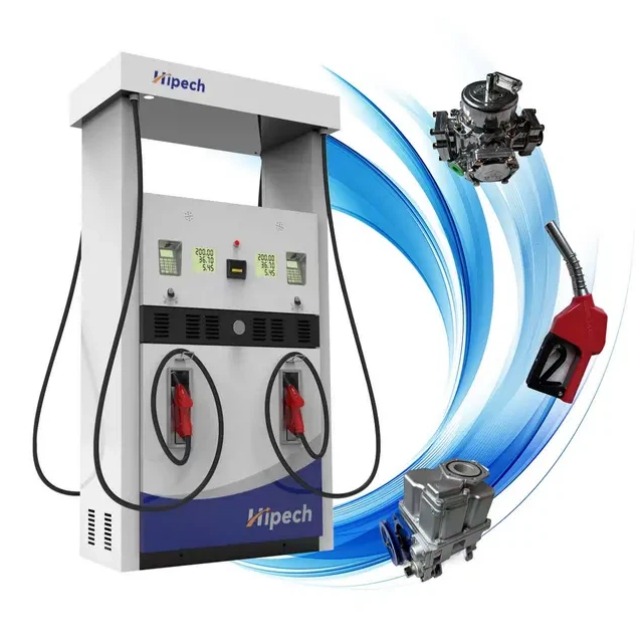
With the advent of smart technology, many modern fuel dispensers now feature digital systems that require regular updates. These systems are crucial for maintaining the dispenser’s functionality and ensuring it continues to operate smoothly.
Smart dispensers rely on firmware and software to manage transactions, monitor fuel levels, and even detect faults. Keeping the firmware up to date ensures that the dispenser has the latest features and improvements. Regular software updates can also help fix bugs and security vulnerabilities, keeping the system safe from cyber threats.
The integration of the Internet of Things (IoT) in fuel dispensers allows for real-time monitoring of the dispenser's performance. These dispensers can send alerts to station operators if there are any issues, such as low fuel levels or malfunctioning components. IoT technology helps ensure that problems are detected early, reducing downtime and preventing major failures.
Most smart fuel pump machines have the ability to log performance data, which can be accessed for trend analysis. Using these logs, station owners can track performance metrics over time and identify potential issues before they become critical. Trend tracking allows businesses to optimize fuel delivery schedules, predict maintenance needs, and improve operational efficiency.
Even with regular maintenance, issues may arise from time to time. Being able to troubleshoot and resolve these problems quickly can minimize downtime and keep your fuel dispenser running smoothly. Some common issues include:
If the fuel flow seems inconsistent, it could be a sign of a problem with the pump’s internal components. Check the hoses, filters, and valves for blockages or wear. If the problem persists, it may require professional servicing.
If the display is not showing the correct transaction information, or if there are issues with processing payments, it could indicate a software or hardware issue. For smart dispensers, ensure that the software is up-to-date and that all digital components are functioning correctly. For traditional pumps, inspect the mechanical components to ensure they are in good condition.
Fuel leaks and spills are serious issues that must be handled immediately. If a leak is detected, shut off the dispenser, contain the spill, and clean up the affected area following safety protocols. Always keep emergency spill kits on hand to deal with any potential incidents.
Maintaining your fuel dispenser is easier when you partner with a reliable supplier that offers excellent customer support and maintenance services. A trusted supplier will not only provide quality parts but also ensure that the equipment is properly serviced and repaired when necessary.
Original Equipment Manufacturers (OEM) offer the highest quality parts and service, as they are the creators of the equipment. While third-party services may be cheaper, they may not have access to the same high-quality parts or expertise as OEMs. When it comes to maintaining your fuel pump machine, it's essential to consider the long-term reliability and value that comes with using OEM parts and services.
Most fuel dispensers come with warranties that cover certain repairs and replacements. It’s important to keep track of warranty terms and ensure that you use authorized service providers to maintain warranty coverage. Proper maintenance helps you avoid voiding the warranty due to negligence.
Ensure that your maintenance team is properly trained in the safety standards required for handling fuel dispensing equipment. A reliable supplier will provide training on how to safely maintain the fuel dispenser, ensuring compliance with industry regulations.
In conclusion, maintaining your fuel dispenser is essential for maximizing its lifespan, improving operational efficiency, and ensuring a safe fueling experience for your customers. Regular inspections, scheduled maintenance, and proper care will help prevent unexpected downtime, reduce repair costs, and keep your equipment running at optimal performance. By staying proactive with maintenance, you ensure that your fuel pump machine remains reliable and efficient for years to come.
If you want to learn more about how to properly maintain your fuel dispensers and ensure long-term reliability, contact Shandong Hipech International Trade Company Limited for expert advice and support.
1. How often should I check my fuel dispenser for maintenance?
Daily visual checks and regular component inspections are essential to ensure that your fuel dispenser remains in optimal condition.
2. Why is calibration important for fuel dispensers?
Calibration ensures that fuel is dispensed accurately, preventing discrepancies in measurements and ensuring customer satisfaction.
3. Can IoT technology improve the maintenance of fuel dispensers?
Yes, IoT-enabled dispensers provide real-time data and alerts, making it easier to monitor and address issues before they become major problems.
4. What should I do if I detect a fuel leak?
Immediately shut off the dispenser, contain the spill, and clean the affected area using emergency spill kits, following proper safety protocols.