
Views: 0 Author: Site Editor Publish Time: 2025-12-12 Origin: Site
Fuel dispensers play a pivotal role in the fuel retailing industry, ensuring that both customers and businesses enjoy a smooth, efficient refueling experience. However, over time, technological advancements have given rise to smarter fuel dispensers that offer enhanced features and capabilities, leaving many business owners wondering if the switch from a traditional pump to a smart fuel dispenser is worth the investment. In this article, we will delve into the key differences between smart fuel dispensers and traditional fuel pumps, exploring their advantages, operational benefits, and whether upgrading is truly beneficial for your business. At Shandong Hipech International Trade Company Limited, we strive to bring innovation to the fuel dispensing industry by providing intelligent and efficient solutions to meet modern fueling needs.
Traditional fuel pumps, the backbone of fueling stations for decades, have remained largely unchanged in terms of their basic operation. Fuel Pump Machines are primarily mechanical and rely on manual processes to facilitate fueling. The pump itself is typically a standalone machine that consists of a nozzle, meter, and display panel, which operates based on a mechanical mechanism or an analog sensor system to measure fuel dispensed.
While these systems are effective, they come with certain limitations. For one, accuracy can be compromised over time due to wear and tear. Mechanical components can degrade, affecting the precision of the fuel meter. Additionally, traditional pumps are not as efficient in terms of data collection and communication. While the transaction process may be straightforward, it lacks the ability to provide real-time data, customer insights, or detailed reporting.
Moreover, customer service can sometimes be slower due to the lack of automated features. Fuel station operators often need to rely on manual inventory tracking, and troubleshooting pump issues can be time-consuming. These inefficiencies can lead to higher operational costs, which could impact the overall profitability of a business.
Smart fuel dispensers are revolutionizing the way fuel is dispensed and managed, providing many advantages over traditional pumps. At the core of a smart fuel dispenser lies digital technology, which enhances the accuracy, efficiency, and user experience of fueling. These dispensers are equipped with advanced sensors, digital interfaces, and connectivity features that enable fuel stations to manage operations in real-time.
One of the key features of a smart fuel dispenser is its ability to facilitate contactless payment, which improves the speed and convenience of the transaction process. Customers can use mobile apps or RFID cards to complete the payment, minimizing wait times and reducing the risk of human error. Additionally, smart dispensers can communicate with other station systems, allowing operators to monitor fuel levels, track sales data, and even adjust pricing based on demand.
Another major benefit of smart fuel dispensers is their real-time data feedback. These dispensers can notify operators of any technical issues, such as a pump malfunction or low fuel levels, before they become a significant problem. Maintenance alerts and remote diagnostics help fuel station owners keep their equipment in top condition, reducing downtime and improving overall station efficiency.
When it comes to accuracy, smart fuel dispensers significantly outperform traditional pumps. The advanced calibration systems used in smart dispensers ensure that the fuel dispensed is measured precisely, minimizing errors and discrepancies. Traditional pumps, on the other hand, can be prone to inaccuracies over time due to the mechanical wear of components like meters and seals. These inaccuracies could lead to fuel losses, financial discrepancies, and unhappy customers.
The speed at which fueling occurs is also enhanced by the digital features of smart dispensers. With the ability to process payments instantly, display transaction details in real-time, and connect seamlessly with other station systems, smart dispensers significantly reduce customer wait times. Traditional pumps, while effective, often require more manual input, slowing down the overall refueling process, especially during busy hours.
Efficiency is another area where smart dispensers shine. Thanks to their advanced monitoring systems, smart dispensers help fuel station owners optimize operations by providing detailed analytics about fuel consumption, customer preferences, and machine performance. This data allows for better inventory management, enabling operators to anticipate demand, adjust stock levels, and prevent overstocking or running out of fuel.
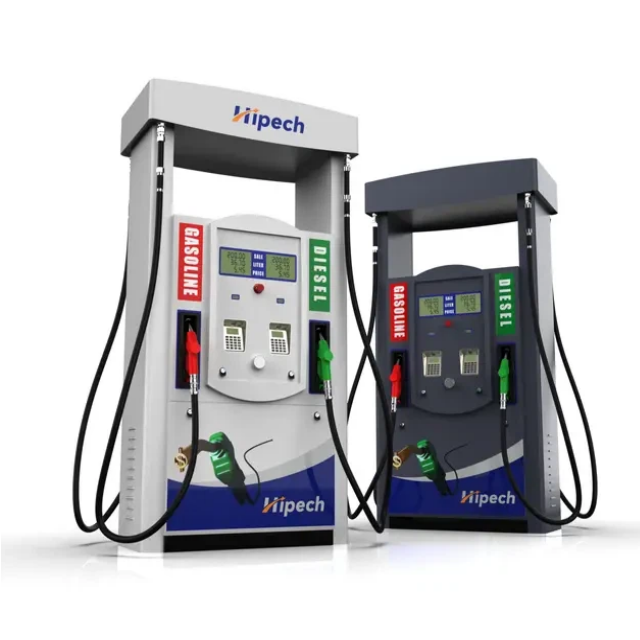
Smart fuel dispensers drastically improve the customer experience at fueling stations. With features such as contactless payment and personalized transaction information, customers can enjoy a quicker and more convenient fueling process. Many smart dispensers also offer options like loyalty programs and dynamic pricing, which can enhance customer satisfaction by offering discounts or rewards based on usage patterns.
Transparency is another key advantage of smart dispensers. Customers can easily access real-time transaction details, such as the amount of fuel dispensed, the price per liter, and the total cost. This transparency helps build trust and reduces potential disputes over charges, creating a more positive customer experience.
By reducing waiting times and enhancing convenience, smart dispensers not only improve the overall fueling experience for customers but also increase customer loyalty. Happy customers are more likely to return to a fueling station that offers modern, user-friendly technologies.
For fuel station owners, smart fuel dispensers offer a wide range of operational benefits that can lead to long-term cost savings and increased profitability. One of the most significant advantages is the ability to monitor fuel levels and inventory in real-time. This feature allows fuel station owners to anticipate fuel shortages, optimize deliveries, and prevent downtime due to stockouts.
Smart dispensers also play a crucial role in predictive maintenance. By continuously monitoring the health of the dispensing equipment, smart systems can alert operators to potential problems before they become critical. This proactive approach to maintenance helps reduce unexpected downtime and lowers repair costs, which is particularly important in a competitive industry where operational efficiency is key.
Moreover, smart dispensers provide enhanced security by offering fuel theft prevention features. These dispensers can track fuel transactions in real-time and provide detailed reports on each transaction, helping station owners identify any discrepancies or suspicious activity. The ability to track fuel usage and sales data also helps fuel station operators identify inefficiencies and streamline their operations.
Despite the many benefits of smart fuel dispensers, there are certain situations where traditional pumps may still be a viable option. For small, low-volume fuel stations, the initial investment in a smart dispenser may not be justified. Traditional pumps can be sufficient for businesses that experience relatively low traffic and do not require the advanced features offered by smart dispensers.
Additionally, some businesses may have budget constraints that prevent them from investing in newer technology. For these businesses, traditional pumps may offer a simpler, more cost-effective solution without the added complexity of digital systems. Furthermore, in areas where technology infrastructure is lacking or unreliable, traditional pumps may still be more practical.
In these cases, traditional pumps can offer the necessary fueling services without the need for advanced digital features. However, as the demand for smarter, more efficient fueling solutions continues to grow, it is likely that many fuel station owners will eventually upgrade to smart dispensers to remain competitive.
In conclusion, the shift from traditional fuel pumps to smart fuel dispensers offers numerous advantages in terms of accuracy, speed, customer experience, and operational efficiency. For businesses looking to stay ahead of the curve and provide a modern, user-friendly fueling experience, upgrading to a smart fuel dispenser is a smart investment. Whether you are looking to improve the accuracy of your measurements, streamline your operations, or enhance your customer service, a smart fuel dispenser is the way to go.
If you are ready to upgrade your fueling station with cutting-edge technology, contact Shandong Hipech International Trade Company Limited to learn more about our innovative fuel dispenser solutions.
1. What is the main benefit of upgrading to a smart fuel dispenser?
The main benefit is enhanced accuracy and efficiency, along with the ability to track real-time data, manage fuel levels, and improve customer experience.
2. Can a smart fuel dispenser reduce downtime?
Yes, smart fuel dispensers offer predictive maintenance alerts, which allow operators to address potential issues before they lead to downtime.
3. Are smart dispensers more expensive than traditional pumps?
While the initial investment may be higher, the long-term benefits of improved efficiency, reduced maintenance costs, and better customer retention make them a worthwhile investment.
4. Can I use a smart fuel dispenser for low-volume stations?
Yes, but it depends on the specific needs of the station. For some low-volume stations, the added cost of smart dispensers may not be necessary, though the benefits are clear in higher-traffic areas.