Views: 0 Author: Site Editor Publish Time: 2026-07-01 Origin: Site
Procuring infrastructure for a petroleum operation carries massive operational stakes. Equipment failure does not just cause site downtime; it triggers severe environmental liabilities, immediate safety hazards, and heavy regulatory fines. Finding the right partner to supply and support this infrastructure determines the long-term viability of your site.
The petroleum equipment market remains highly fragmented. Operators must navigate between full-service wholesale installers, niche manufacturers, and high-volume e-commerce parts catalogs. This fragmentation makes it difficult to find a vendor capable of supporting the entire equipment lifecycle, from initial site construction to routine maintenance and emergency repairs.
This guide provides a structured evaluation framework to help operators assess vendor capabilities, verify compliance credentials, and align procurement strategies with specific project scopes. Whether you are building a retail gas station, a commercial fleet cardlock, or deploying mobile fueling units, understanding how to evaluate fuel station equipment suppliers is the first step toward a secure operation.
Lifecycle Support Over Initial Cost: The most reliable fuel station equipment suppliers offer comprehensive post-sale support, including maintenance networks and rapid parts availability, which offsets the long-term costs of hardware downtime.
Compliance is Non-Negotiable: Vetted suppliers must provide equipment that meets strict regional and federal environmental standards (e.g., EPA, UL listings, ATEX certifications) and hold active industry affiliations (like PEI).
Supplier Typology Matters: Choosing between a turnkey distributor, a specialized mobile fuel station manufacturer, or an e-commerce parts supplier depends entirely on whether the project requires end-to-end construction, niche fleet infrastructure, or routine replacement parts.
Integration Capabilities: Modern fueling operations require seamless compatibility between physical dispensers, underground storage tanks (USTs), automatic tank gauges (ATGs), fleet management systems, and Point-of-Sale (POS) systems.
Component Brand Quality: Reliable suppliers should partner with and distribute industry-standard OEM brands (such as Husky, Cim-Tek, and Continental ContiTech) for high-wear consumable components to ensure system longevity.
A successful relationship with a fuel station equipment supplier is defined by on-time delivery, zero compliance failures, and high equipment uptime. When you partner with a vendor who understands the rigorous demands of the petroleum industry, your operation runs smoothly and safely. Field operators know that a pump down for even a few hours disrupts site flow and drives commercial drivers to competitors.
Operational downtime directly translates to revenue loss. If a primary dispenser goes offline and your supplier experiences delayed parts shipping or fails to support proprietary hardware, the financial impact accumulates rapidly. Every hour a pump is down represents lost sales and frustrated customers. You need a vendor with regional parts distribution to prevent a minor hose leak from becoming a multi-day outage.
Environmental compliance is another major factor. Procuring substandard tanks, piping, or leak detection systems leads to severe legal and financial consequences. Equipment that fails local environmental audits or causes leaks results in costly cleanups and regulatory fines that can cripple a business. The EPA and local environmental agencies do not accept ignorance as an excuse for failing interstitial monitoring systems.
For commercial fleet cardlocks and unattended stations, the risks multiply. Low-quality dispensers and poor POS integration lead to transaction failures or undetected fuel theft. Unattended stations require robust, secure hardware to operate safely without constant human oversight. If a driver cannot authorize a transaction at 2:00 AM because the card reader failed, that fleet account will likely move their business elsewhere.
Risk Category | Impact of Poor Supplier Choice | Ideal Supplier Mitigation |
|---|---|---|
Operational Downtime | Extended pump outages due to slow parts shipping. | Regional warehousing and guaranteed SLA response times. |
Environmental Compliance | Fines from failed leak detection or substandard USTs. | Strict adherence to UL listings and EPA-approved hardware. |
Unattended Security | Fuel theft and transaction authorization failures. | Seamless POS integration and ruggedized cardlock hardware. |
The supplier landscape is diverse. Buyers must shortlist the right type of vendor based on construction requirements, specialty applications, and replacement needs. Understanding the different categories helps streamline the procurement process and prevents mismatched expectations during site construction.
These suppliers handle everything from site design to equipment sales, project management, and heavy construction installation. They offer a comprehensive approach, ensuring that all components work together seamlessly from the ground up. They manage the heavy lifting, literally, coordinating cranes for tank drops and trenching for double-walled piping.
This type of vendor is best suited for ground-up retail gas station builds and major commercial fleet overhauls where extensive infrastructure and integration are required. They act as the general contractor for the petroleum specific aspects of the build.
Specialized vendors engineer and build specific modular infrastructure. For example, a mobile fuel station manufacturer focuses on self-contained, transportable units designed for rapid deployment. These units often come pre-wired and pre-plumbed, drastically reducing on-site construction time.
These manufacturers are ideal for remote industrial sites, agriculture, construction, and temporary fleet fueling needs where traditional permanent infrastructure is not feasible. They provide a drop-and-play solution that bypasses months of underground construction.
High-volume catalog suppliers focus on replacement parts and station supplies, such as nozzles, breakaways, hoses, and filtration systems. They provide quick access to essential components needed to keep stations operational on a day-to-day basis.
These distributors are best for routine maintenance, emergency component replacement, and in-house facility managers who need reliable access to consumable parts without dealing with a full-service construction firm.
Connecting specific equipment types to operational efficiency, regulatory compliance, and revenue generation is essential when evaluating a supplier's catalog. The right equipment ensures your station operates safely and profitably over a twenty-year lifespan.
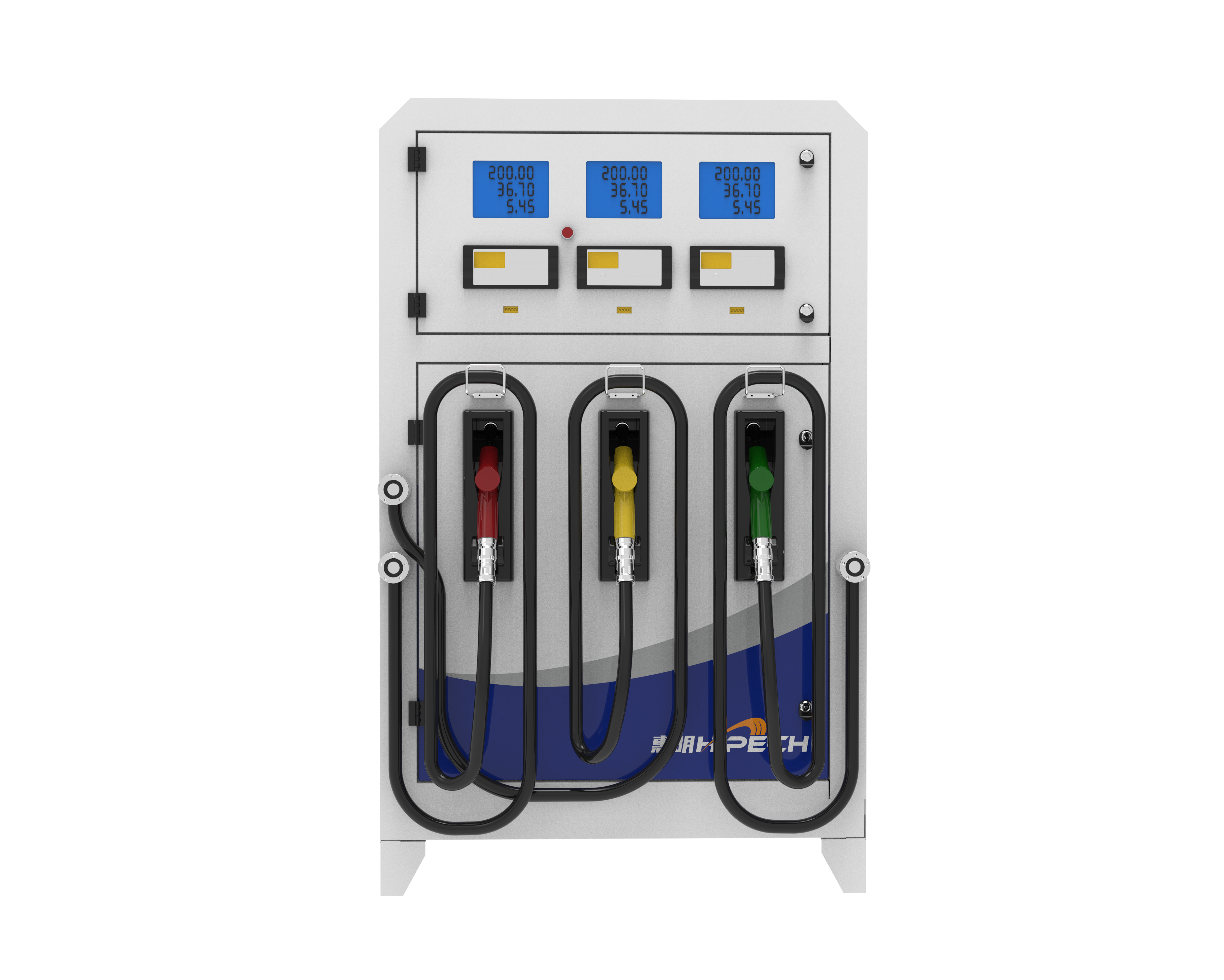
When evaluating a fuel dispenser supplier, assess their hardware's compatibility with modern payment gateways, EMV compliance, and fleet card networks. Unattended cardlock systems require secure, durable dispensers that integrate flawlessly with fuel management software. The dispenser is the primary customer touchpoint; it must be fast, accurate, and reliable.
Sourcing double-walled tanks, reliable Automatic Tank Gauges (ATGs), interstitial monitoring systems, and specialized piping is non-negotiable. These components are critical for environmental compliance and preventing catastrophic leaks. Your vendor must supply tanks that meet local fire codes, whether above ground or buried.
There is a rising demand for modular setups. When looking for a mini fuel station supplier, prioritize plug-and-play capabilities, footprint efficiency, and zoning compliance. These compact solutions offer flexibility for locations with space constraints, allowing operators to add fueling capabilities to existing commercial yards without major excavation.
Verify that the supplier carries reputable OEM brands for high-wear components. Brands like Continental ContiTech for hoses, Husky for nozzles and breakaways, and Cim-Tek for fuel filters ensure safe daily operation and protect your larger equipment investments. Cheap consumables lead to frequent drive-offs damaging dispensers and poor fuel quality ruining vehicle engines.
Auditing a potential supplier requires a structured approach. Use these six criteria to evaluate their capabilities and ensure they can meet your operational and compliance needs before signing a purchase order.
Regulatory Compliance and Certifications: Emphasize the necessity of UL-listed equipment, EPA compliance, Weights and Measures approvals, and active membership in the Petroleum Equipment Institute (PEI). A supplier's commitment to these standards indicates their reliability and professionalism.
Installation Capabilities and Geographic Reach: Assess whether the supplier utilizes certified in-house technicians or relies on third-party contractor networks. This impacts accountability, installation quality, and the speed of service level agreements (SLAs) for maintenance and repairs.
Post-Sale Support and Warranty Fulfillment: Evaluate the supplier's SLA for emergency maintenance, their warranty claim processes, and the depth of their local parts inventory. A supplier with robust post-sale support minimizes downtime and protects your investment.
Technical Brand Portfolio and OEM Access: Verify if the supplier has direct distribution agreements with major manufacturers of critical retail and fleet hardware. Access to top-tier brands ensures you receive genuine parts and comprehensive technical support.
Pricing Transparency and Bill of Materials (BOM) Accuracy: Evaluate how clearly the supplier lays out pricing for capital equipment, installation fees, shipping, and ongoing software licensing. Transparent pricing prevents unexpected costs and helps you manage your project budget effectively.
Retail vs. Commercial/Fleet Cardlock Expertise: Differentiate the evaluation process based on your site type. A retail gas station requires a focus on customer experience, branding, and POS integration. A commercial fleet yard demands high-flow rates, robust fuel management software, and durable card reader hardware.
Friction points often occur after the purchase order is signed. Anticipating these risks and implementing mitigation strategies ensures a smoother deployment process and keeps your construction schedule on track.
Long lead times for custom tanks or specialized dispensers can delay site openings. To mitigate this risk, require guaranteed delivery timelines in the contract, verify the supplier's domestic warehousing capacity, and source from suppliers with a robust physical inventory. Do not rely on vendors who drop-ship everything from overseas without local buffer stock.
Finger-pointing between the equipment manufacturer, the software provider, and the local installer can occur when a system fails. Prioritize suppliers that offer turnkey packages or provide dedicated project managers for complex deployments to maintain clear accountability. You want one throat to choke if the dispenser fails to communicate with the tank gauge.
Shipping fees for heavy underground storage tanks or delicate dispensing units can skyrocket. Work with suppliers who have regional distribution centers to minimize freight distance and handle regulatory transport permits efficiently. Moving a 20,000-gallon tank requires specialized wide-load logistics that your vendor should manage.
A reliable supplier is a long-term compliance and operational partner, not just a hardware vendor. Their expertise and support are necessary for the ongoing success and safety of your fueling operations. To move forward with your procurement process, take the following actions:
Conduct a comprehensive site audit to define your exact hardware flow rates and software integration needs.
Narrow your list to three or four suppliers based on geographic service area and proven PEI affiliations.
Request a detailed Bill of Materials (BOM) from each shortlisted vendor to compare exact OEM component brands.
Issue a formal Request for Proposal (RFP) that includes strict SLA requirements for post-sale maintenance.
A: Look for PEI membership, UL-listed products, robust installation support, access to domestic inventory, and comprehensive post-sale maintenance networks to ensure long-term reliability and compliance.
A: Distributors aggregate various brands for permanent retail or commercial sites, handling complex installations. Mobile manufacturers engineer self-contained, transportable fueling units designed for rapid deployment at remote or temporary sites.
A: Check for EMV compliance for secure payments, Weights and Measures certifications for accuracy, regional EPA environmental standards, and UL listings for safety and performance.
A: While some offer turnkey services, buyers often need to coordinate with local authorities regarding fire codes and zoning regulations, as modular units still require proper site preparation and approvals.
A: Using industry-standard brands like Continental ContiTech, Husky, and Cim-Tek prevents leaks, protects sensitive dispenser meters from debris, and ensures overall fuel quality and safety.
A: A cardlock is an unattended commercial fueling station. Not every retail-focused supplier has the specialized software and hardware integration expertise required to deploy and support these secure systems.